

Children from the Ngäbe Buglé indigenous region have sometimes received four or five repeat vaccinations simply because they crossed a border. That wasteful and potentially unsafe practice is about to end. Panama and Costa Rica are rolling out a joint health card designed to track medical histories for seasonal migrants who move between the two countries for coffee harvest work.
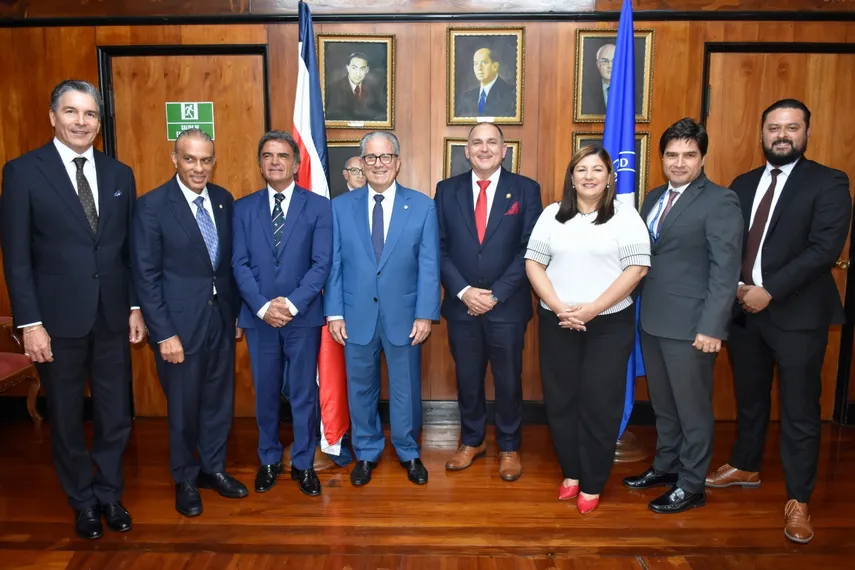
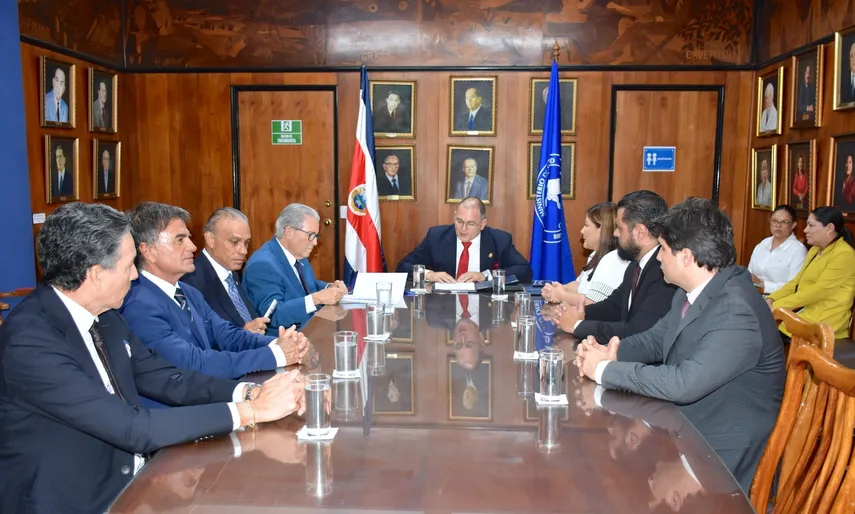
Panama’s Health Minister Fernando Boyd Galindo confirmed the initiative after a meeting in San Jose with Costa Rica’s vice president and health minister. The two governments are now working on the operational details to get the program running. Boyd Galindo called the card a major step forward for healthcare coordination.
‘This card will be an important milestone in the treatment and care of all our indigenous region, especially the Ngäbe Buglé, who migrate during the coffee harvest season in Costa Rica’ [Translated from Spanish]
Solving the Vaccination Record Problem
The core problem has been simple but stubborn. Migrant families often leave Panama with no official health documents. When they arrive in Costa Rica, medical workers have no way to know what vaccines a child has already received. The result is either missed shots or unnecessary repeat doses. The new Binational health card will store each person’s immunization schedule and other clinical data in a portable format that both countries can use.
Boyd Galindo highlighted the absurdity of the current situation. Children sometimes get vaccinated multiple times for the same disease because nobody can verify their records. The health card eliminates that guesswork. It gives doctors and nurses in both countries instant access to a patient’s complete history.
Free Access for Seasonal Workers
The card will be completely free. Migrants can obtain it at health centers and other authorized locations run by Panama’s Ministry of Health. The target population is clear: people from the Ngäbe Buglé region who travel to Costa Rica each year for the coffee harvest. This seasonal migration pattern has existed for decades, but healthcare coordination between the two nations has lagged behind.
Panama’s Ministry of Health will register each beneficiary’s medical information directly when they apply for the card. That means the system will have accurate data from the start, not scraps of paper that can be lost or damaged during travel.
Broader Regional Context
The initiative reflects a growing recognition that migrant health doesn’t stop at national borders. Central America has seen increasing labor mobility in recent years, and health systems have struggled to keep pace. The Panama Costa Rica corridor is one of the busiest routes for seasonal agricultural workers in the region.
Both countries already cooperate on other public health matters, but this card represents a concrete tool rather than just a memorandum of understanding. It puts medical continuity into practice for people who need it most.
The Ngäbe Buglé community has long faced barriers to consistent healthcare. Many families live in remote areas with limited clinic access. When they travel to Costa Rica for work, they often fall through gaps in both systems. The binational card aims to close those gaps by making health information portable, verifiable, and always available.
Officials expect the program to launch once technical and logistical details are finalized. Boyd Galindo did not provide a specific start date but said both ministries are moving quickly. The card will use a simple format that can be updated at any participating health facility in either country.
For the thousands of Ngäbe Buglé workers who cross the border each harvest season, this could mean fewer repeat vaccinations, better continuity of care for chronic conditions, and a medical system that actually follows them rather than starting from scratch every time they move.