

Panama’s Local Housing Change Shifts Spotlight to Investor Visa Program
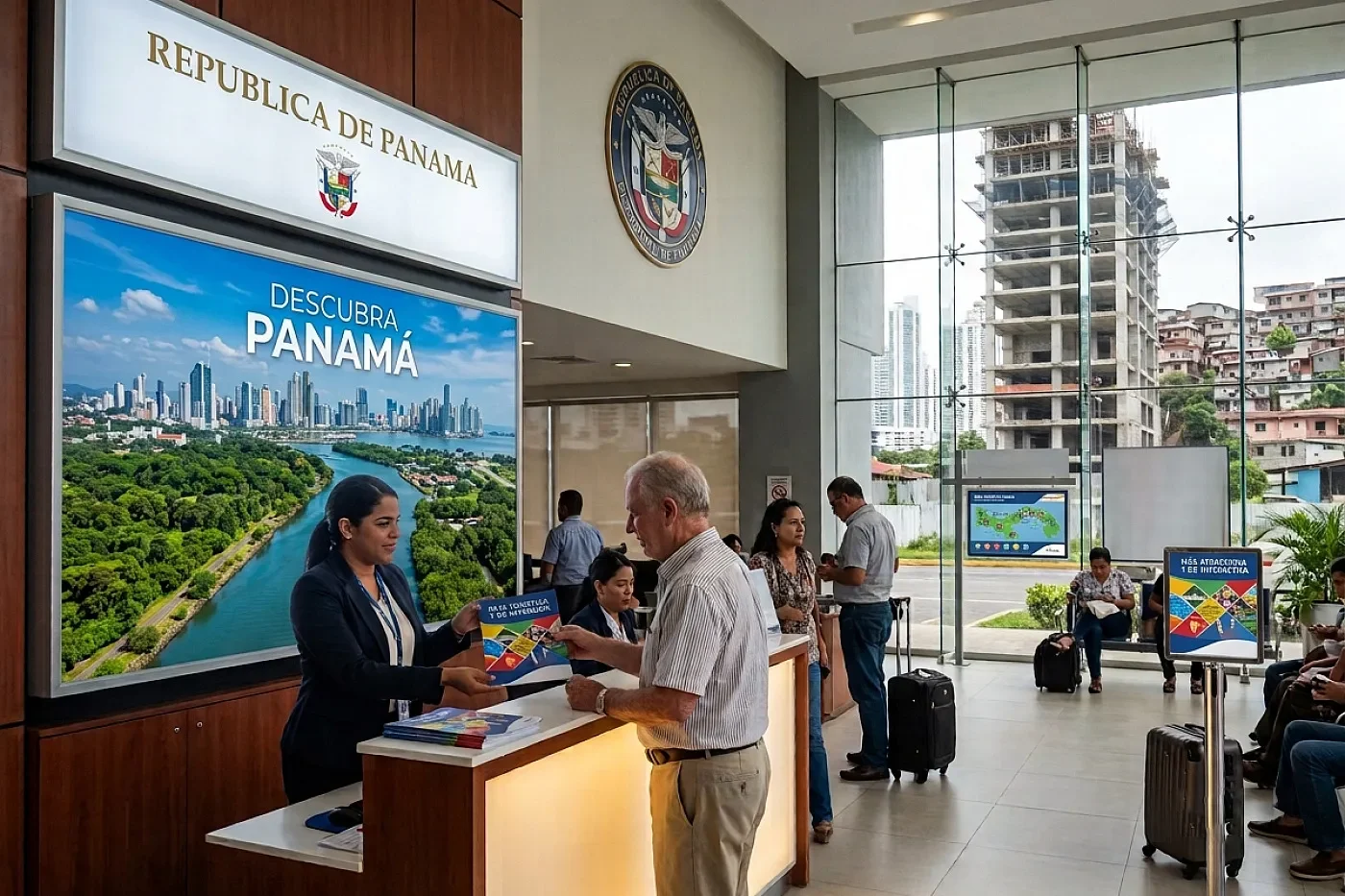
Sales of homes priced for local families have softened since January, but a different engine is humming loudly across the isthmus. The slowdown in affordable real estate has pushed developers and government officials to double down on the Panama investor visa, a residency-by-purchase fast track that requires a minimum property acquisition of $300,000. Industry leaders now describe the program as a critical counterweight, helping to offset hesitation among Panamanian wage earners while drawing steady capital from North America and Colombia.
A Cooling affordable housing market
Acobir, the Panamanian Association of Real Estate Brokers and Developers, has sounded a clear warning. The sub-$180,000 segment, where most local buyers concentrate, has been losing momentum. Higher financing costs and cautious household budgets are straining developers who rely on brisk turnover in entry-level units. Some builders have paused land acquisitions, while others are shrinking unit sizes to keep sticker prices from climbing higher. For many families, homeownership has long been a primary tool for building wealth, and any prolonged slump threatens that pathway.

Katherine Reyes, Acobir’s president, addressed the unease directly during a general assembly. She acknowledged the pullback but pointed to emerging opportunities from outside the country.
“The real estate sector in the $180,000-and-below bracket has experienced a deceleration since the beginning of the year. But we view the president’s pronouncements positively and we have held meetings to contribute ideas and specific actions so that Panamanians can opt for a home and generate family wealth,” [Translated from Spanish]
The numbers behind that deceleration reflect a tangled reality. Banks are still lending, but terms have tightened. Many first-time buyers are waiting on the sidelines, watching interest rate signals and inflation trends. The result is a pocket of vulnerability that contrasts with the buzz in luxury towers and beachfront pre-sales, where foreign capital has been flowing more freely.
Government Response and Policy Talks
Rather than wait for the cycle to turn on its own, Acobir has opened formal talks with the Ministry of Housing and Territorial Planning, the Ministry of Economy and Finance, and the National Assembly. The goal is not a bailout but a set of surgical adjustments. Mortgage guarantee programs, streamlined permitting, and incentive packages that nudge banks toward more flexible lending in the entry-level tier are all on the table. No final package has been announced, yet the intensity of the discussions makes clear that policymakers are treating the downturn as a near-term priority.
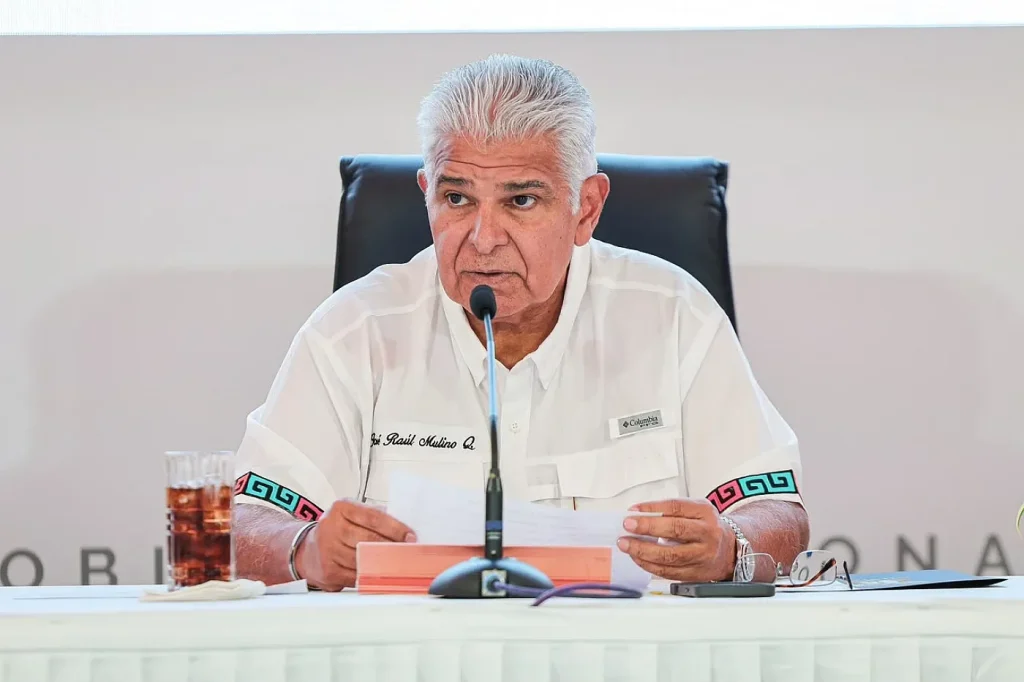
The cooperation marks a shift from passive observation to active recalibration. Reyes described the engagement as productive and said the industry is presenting concrete actions that could help Panamanians access homeownership without distorting the broader market. The government’s recent alliance with IDB Invest to mobilize up to $1 billion in private financing has added a layer of confidence, signaling that Panama remains willing to leverage its financial architecture to support sustainable development. That backdrop makes it easier to talk openly about targeted fixes for the affordable segment.
Panama Investor Visa Draws Foreign Buyers Amid Local Slowdown
While domestic demand wobbles, the Panama investor visa has become a fully articulated lure for capital from abroad. Katherine Cardoze, the national director for Investment Promotion, outlined the program’s three tiers at the same Acobir gathering. A real estate purchase of $300,000 opens the door to expedited residency. Investors can also choose a $500,000 commitment through licensed investment funds, or a $750,000 fixed-term deposit. All routes promise a relatively quick application window, a feature Cardoze stressed as a competitive advantage in Latin America’s residency marketplace.

The mechanism is not new, but its prominence is surging precisely when the local market needs a jolt. Panama’s dollarized economy, territorial tax system, and geographic position already form a sturdy pedestal. Adding a clear, fast-track residency path makes the proposition harder to ignore. Real estate agents report that many foreign buyers are less focused on immediate rental yields than on securing a hemispheric foothold with a residence permit attached. For them, the Panama investor visa functions as a lifestyle passport, blending asset ownership with mobility rights.
Developers who once concentrated exclusively on Panamanian first-time buyers are now adapting. They are partnering with relocation agencies and international marketing platforms to translate the visa’s benefits into a steady pipeline of high-value purchasers. By presenting the Panama investor visa not as a bureaucratic hurdle but as an integrated part of the investment package, the industry is converting what could be a moment of vulnerability into an opportunity to diversify its buyer base. The program’s clarity and speed give it an edge, particularly for investors who have grown weary of slower, more opaque processes in other jurisdictions.
Foreign Capital Inflows from North America and Colombia
Acobir’s data identifies Canada, the United States, and Colombia as the top nationalities among foreign real estate investors. North American buyers have been pouring capital into both pre-construction condominiums in Panama City and beachside properties along the Pacific coast. Colombia, sharing deep cultural and linguistic ties, often gravitates toward commercial real estate and mixed-use developments. This steady flow helps cushion the blow of a softer local market, providing developers with liquidity at a time when domestic absorption has slowed.
The pattern reveals a deliberate pivot. Builders who once saw foreign buyers as a supplementary stream now view them as a core component of project financing. By linking property purchases to the Panama investor visa, they are able to market units not just as homes or rental assets but as keys to a broader life strategy in a dollarized, service-oriented economy. The combination of warm climate, modern infrastructure, and a straightforward residency track has proven sticky for buyers seeking stability outside their home countries.
Long-term Implications for Panama’s Real Estate Landscape
The current moment may be remembered less for its housing deceleration and more for the structural shift it triggered. A market that had leaned heavily on local wage earners is now deliberately broadening its foundation. The government’s willingness to listen to industry proposals and the simultaneous push to polish the Panama investor visa suggest a coordinated pivot toward high-value foreign investment as a permanent pillar, not just a cyclical patch.
Mortgage programs and permitting reforms aimed at the affordable tier could still unlock fresh domestic demand later in the year. But the international stream, anchored by the clear rules of the investor visa, offers a steadier undercurrent. Panama’s real estate sector is learning to play two games at once, keeping an ear to local households while extending a hand to global capital. If the balance can be sustained, the slowdown could end up strengthening the whole market by making it more resilient to future domestic shocks.
