
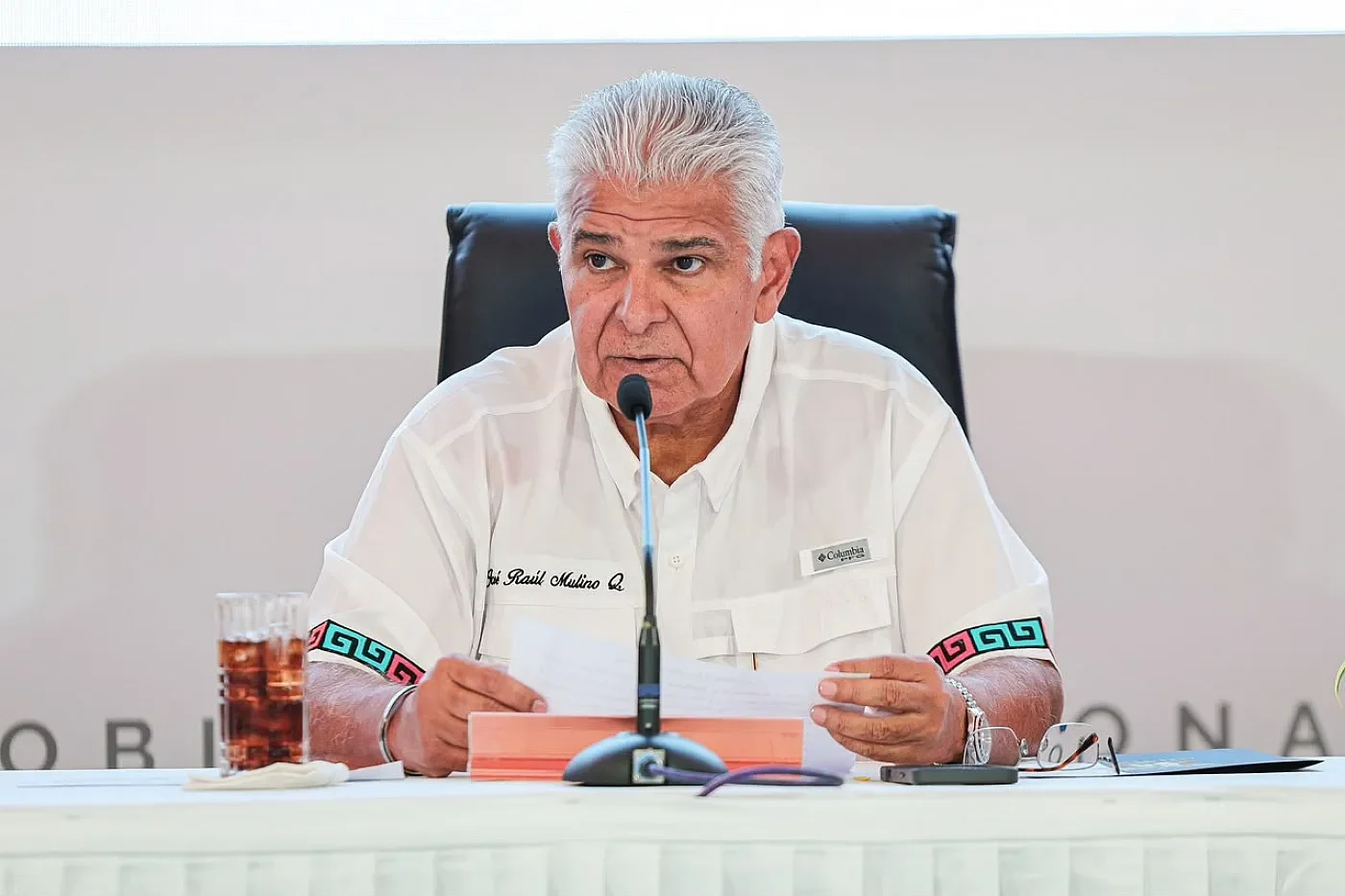

President Mulino Pledges to Remove Real Estate Tax and Reignite Growth
Mounting pocketbook pressures and a public hungry for change pushed President José Raúl Mulino to announce sweeping economic measures Thursday night, headlined by a promise to scrap the 2% transfer tax on new homes. Speaking before the Panamanian Association of Business Executives, Mulino outlined a dozen initiatives he said would break a slowdown that has frustrated builders and first-time buyers alike. His remarks came just days after an unrelated poll showed 68.7% of Panamanians want a referendum on mining policy, a sign of how cost-of-living anxiety is reshaping public debate.
A Tax Reversal Designed to Unfreeze Home Sales
At the core of Mulino’s plan sits the elimination of the Impuesto de Transferencia de Bienes Inmuebles, a 2% levy on new housing that returned in January after more than five decades of exemption. Construction groups, real estate brokers and developers had warned the tax would inflate final prices and stall contracts, especially for lower-cost units. Mulino now wants to erase it entirely, though officials at the Ministry of Housing and the Ministry of Economy and Finance are studying a partial exoneration tied to home price brackets.
The President insisted the adjustment would not morph into a broad fiscal reform.
“We’ll create a set of factors so that builders, promoters, and buyers all have easier access to homeownership” [Translated from Spanish]
he told the crowd. The levy had been absent from new-home transactions since the late 1960s, making its sudden enforcement a shock to a sector already slowed by higher material costs. Builders say the uncertainty chilled spring sales, and by dangling a reversal, Mulino aims to restore confidence before the critical end-of-year buying period.
Interest Tweaks and a Package to Boost Private Hiring
Beyond the tax rollback, Mulino previewed a set of four or five bills he plans to rush through the National Assembly. One piece would retool the preferential interest law to spark construction of affordable homes in rural provinces, where the market has not recovered.
“I will be sending to the Assembly a package of laws that I have called the economic reactivation laws” [Translated from Spanish]
Mulino said, adding that the Cabinet would review the proposals within two weeks and then mark them as urgent.
No emergency subsidies or unconditional cash handouts will appear in the strategy. Instead, the government wants to lean on private investment, higher production and increased consumer spending to generate formal jobs. The Labor Ministry will soon release updated employment figures, and on Sept. 1 a training program named Seagro will launch, aiming to equip 100 technicians for agricultural work. The betting is that lowering transaction costs and interest burdens will nudge both builders and banks to move faster.
Port Ambitions and a Long Constitution Debate
The President also used the business dinner to refloat his infrastructure timeline. Panama will tender long-term concessions for the Balboa and Cristóbal port terminals, awarding contracts for 25 or 30 years before mid-2027. Those operations sit adjacent to the Panama Canal, and the Canal Authority is separately advancing projects in Corozal and Telfers. Mulino framed the port push as part of the same reactivation logic, saying the new terminals would multiply logistics jobs and attract foreign capital.

On the institutional side, he confirmed his plan to advance a constituent assembly in 2027 to overhaul state structures. He explicitly ruled out dissolving branches of government or opening the door to presidential reelection, trying to cool fears that the process would become a power grab. By coupling that distant political reform with immediate pocketbook relief, Mulino hopes to project momentum.
“The Government, with greater robustness and force, will drive the momentum so that the private sector feels supported in a concrete and forceful way” [Translated from Spanish]
he said.
A Market Waiting for Details
Reaction from the industry was guarded but optimistic. Promoters recall that the ITBI went from zero to 2% almost overnight, and many are waiting to see whether the promised elimination will be full or phased, and whether it will apply retroactively to deals signed since January. The housing ministry’s internal analysis still points to an income-based exemption model, not a blanket removal, setting up a potential clash between the President’s pledge and fiscal technicians’ caution.
What remains clear is that Mulino is staking his early economic credibility on a fast, tangible lift to the construction sector. With inflation thinning household budgets and a politically active electorate showing restlessness, the administration has tied its fortunes to clearing obstacles that make a new roof more expensive. Whether that bet pays off will become apparent once the bills land in the Assembly and builders see if contracts actually start moving again.
