

AirBnb Tax 7%: Panama Just Fired the First Shot at Big Hospitality
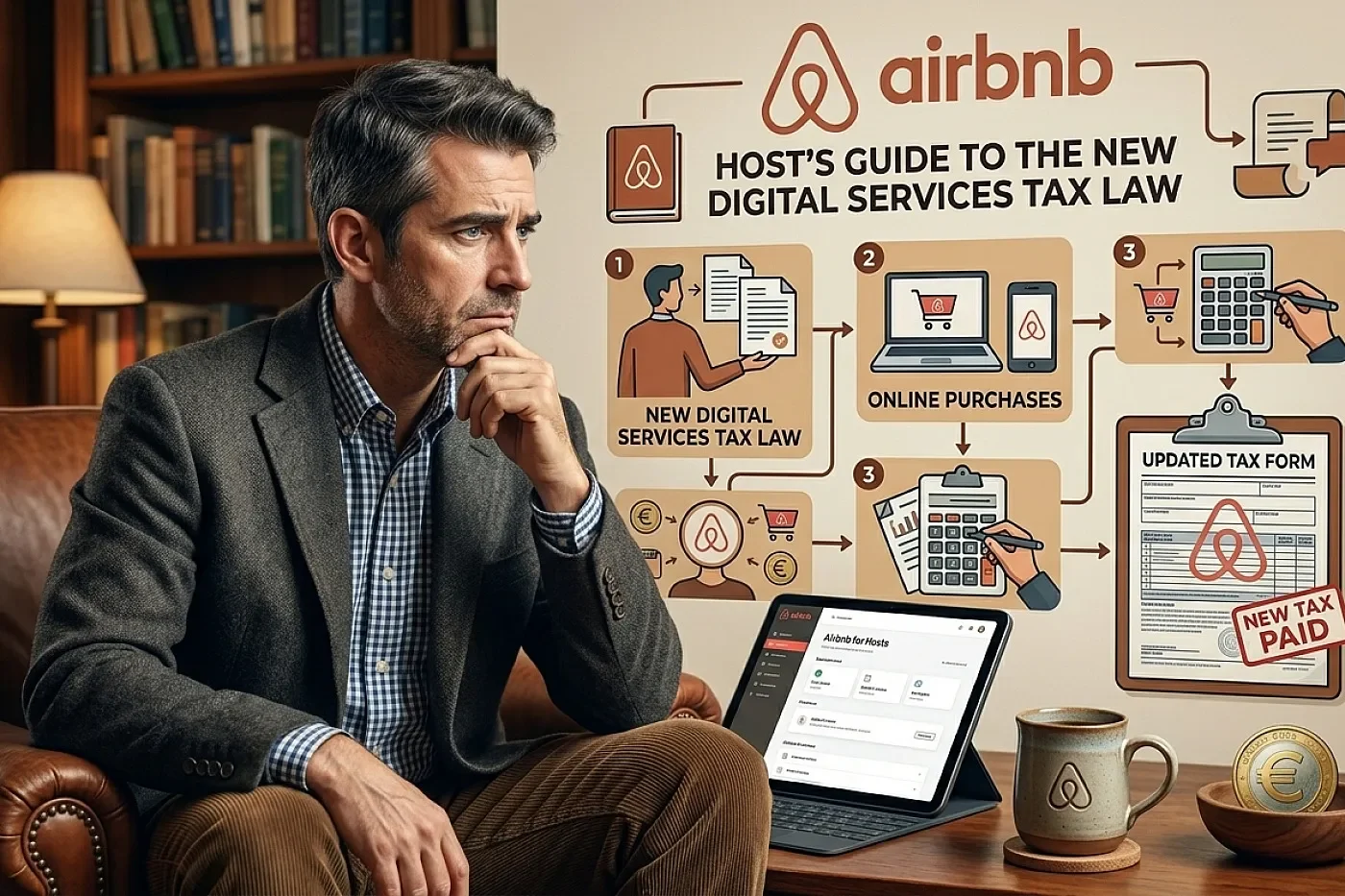
Vacation rental owners in Panama’s booming short-term rental market could soon face the same tax obligations as traditional hotels under a sweeping fiscal reform drafted by the Ministry of Economy and Finance. The proposed legislation aims to close loopholes in the Panama Airbnb tax framework while simultaneously delivering relief to middle-income homebuyers through the elimination of a property transfer levy. Minister Felipe Chapman presented the bill as a modernization effort rather than a new tax burden, emphasizing that digital commerce and platform-based rentals have operated outside the rules long enough.
Eliminating the Property Transfer Tax for Affordable Homes
One of the bill’s most tangible benefits targets Panamanians purchasing homes valued at or below $120,000. Those buyers would no longer pay the Property Transfer Tax, known locally as ITBI, a change that could save thousands of dollars on a first home purchase. The move responds to widespread complaints that the tax disproportionately burdens middle-income families trying to enter the housing market.
But Panama’s constitution complicates any effort to reduce or eliminate taxes. Article 276 mandates that any tax exemption must be paired with a substitute revenue source to maintain fiscal balance. Chapman addressed this constraint head-on, telling reporters that the MEF will present a companion substitute revenue bill to the National Assembly alongside the main proposal. He was adamant that nothing in the package constitutes a fresh tax burden on citizens. Instead, the substitute mechanism compensates for the ITBI phaseout while fixing longstanding gaps in how the ITBMS, Panama’s version of a value-added tax, is collected from digital transactions.
Closing the Panama Airbnb Tax Gap With Hotels
Short-term rental operators who list properties on platforms like Airbnb have enjoyed a lighter tax footprint compared to licensed hotels for years. The proposed legislation directly addresses that asymmetry by requiring vacation rental owners to meet the same ITBMS obligations that hotels already fulfill. This alignment would create what officials describe as a more balanced hospitality sector where business models compete on service quality rather than tax advantages.

Camilo Valdés, director of the General Directorate of Revenue, framed the issue as a matter of fundamental fairness. Two taxpayers delivering the same service should carry identical tax responsibilities, he argued, whether they operate through a traditional establishment or a digital platform. That principle anchors the Panama Airbnb tax component within the wider reform package and signals a shift in how Panamanian authorities view the platform economy.
The disparity has become increasingly visible as short-term rentals proliferate across Panama City, Casco Viejo, and beach destinations. Hotel operators have long complained that unregulated vacation rentals erode their customer base while avoiding the taxes that fund tourism infrastructure and municipal services.
Tracking Digital Purchases and Enforcing Cross-Border Tax Collection
Shoppers in Panama navigate a peculiar tax landscape when they buy online. Purchase a product at a local retailer and the ITBMS applies automatically. Order the same item from an international e-commerce platform and have it delivered to your door, and the tax often never gets collected. Minister Chapman described this situation bluntly when explaining the government’s motivation, stating that the initiative seeks to level the playing field rather than create new taxes.
‘What this seeks is to level the ‘paying field” [Translated from Spanish]
Determining when a digital service is actually consumed within Panama requires clear technical standards. The draft legislation incorporates several objective indicators to establish that a service is used, consumed, or leveraged inside national territory. These include the location of the bank account or payment instrument, the billing address, the IP address, the SIM card country code, and other signals reasonably tied to a user’s physical location.
The bill also includes protective measures designed to shield financial activities that operate under distinct legal and regulatory frameworks. Officials want to ensure that updating the ITBMS regime for the digital economy does not create unintended consequences for sectors that already face separate oversight. That cautious approach reflects the complexity of taxing modern digital transactions without disrupting established financial services.
What the National Assembly Debate Could Mean for Panama
The proposed legislation marks a pivotal moment for Panama’s approach to taxation in the platform economy. From Airbnb vacation rentals to imported online purchases, the government is signaling that digital transactions will face the same scrutiny as brick-and-mortar commerce. For property owners who have built businesses around short-term rentals, the shift could mean higher operating costs and more administrative responsibilities.
Foreign platforms serving Panamanian customers would also need to adapt their systems to track and remit the appropriate taxes. The technical criteria for determining user location suggest a framework that relies on multiple data points, reducing the likelihood of disputes over where a transaction occurred. This approach mirrors similar legislation adopted in other Latin American countries that have grappled with taxing the digital economy.
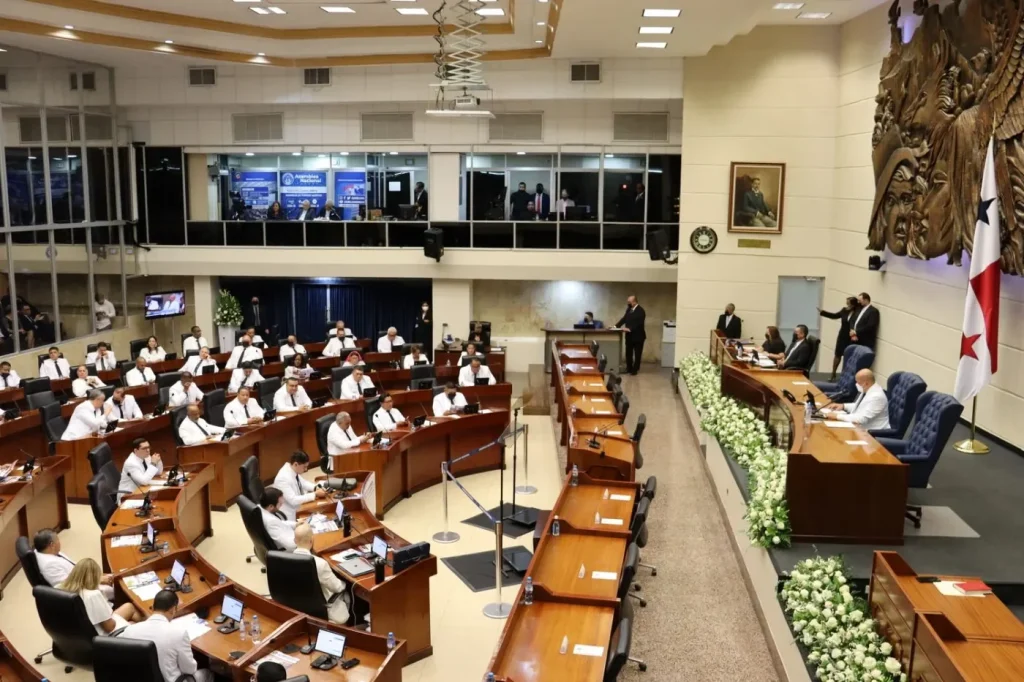
The National Assembly will now weigh the bill’s competing priorities: fiscal modernization, tax equity between traditional and digital businesses, and constitutional requirements for revenue substitution. The outcome will determine how quickly Panama’s digital tax reality changes for property owners, online shoppers, and international platforms alike. As the debate unfolds, the growing vacation rental sector faces an uncertain but likely more regulated future.
