
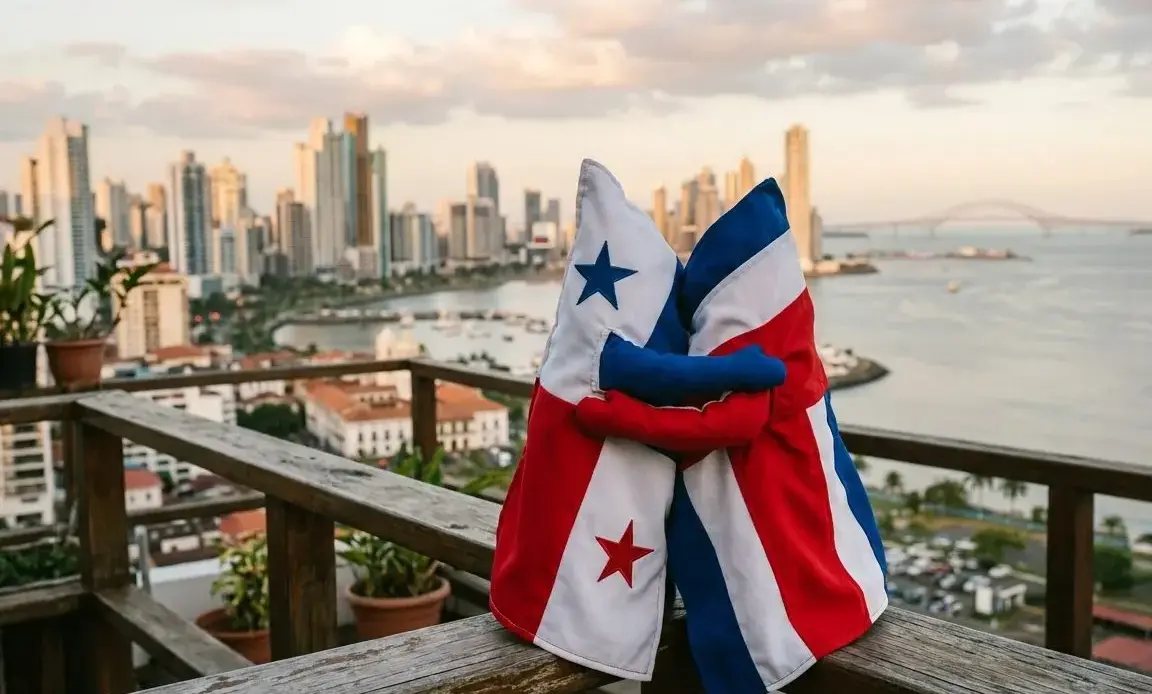
The world feels smaller in 2026, yet for many, it also feels less certain. Political shifts, economic tremors, and the lingering memory of closed borders have pushed a growing number of families and professionals to look beyond their birth nations. They are not just dreaming of a vacation home. They are pursuing a second citizenship as a tangible safety net. This is not a niche market for the ultra-wealthy anymore. It has become a mainstream strategy for global planning, and few regions are attracting more attention than Central America, particularly Panama and Costa Rica.
People are choosing these countries for their new residency and eventual citizenship for reasons that go beyond sun and sand. They want stability. They want options. A second passport, as experts note, represents legal membership in another sovereign state, granting access to its rights, protections, and opportunities. It is a tool for freedom of movement and a hedge against uncertainty at home.
Why Panama and Costa Rica Top the List for Global Citizens
The appeal of Panama and Costa Rica in 2026 is rooted in distinct but complementary strengths. Panama offers a robust economy, a dollarized financial system, and a strategic location as a global hub. Its pensionado visa and other residency programs have long attracted retirees and investors. Costa Rica, on the other hand, sells a different dream. It promises a peaceful, democratic society with a strong environmental ethos and a universal healthcare system. Both nations allow Dual Citizenship, which is a critical factor for expats who do not want to sever ties with their home country.
This openness aligns with a broader global trend. Governments are increasingly scrutinizing second citizenship programs, demanding stricter due diligence and background checks. But Panama and Costa Rica have maintained relatively transparent and accessible pathways for those who meet their investment and residency requirements. This creates a sense of security for applicants who worry about programs being suddenly shut down or misused.
The Economic Ripple Effect on Host Nations
When an expat secures residency in Panama or Costa Rica, the economic impact is immediate and local. They buy property, open bank accounts, start businesses, and hire local staff. For smaller economies, these inflows of foreign capital are not trivial. They support infrastructure, healthcare, and education. The rise of Citizenship by Investment Programs globally has shown that countries can leverage immigration to fund national development. In Central America, this means new condominiums in Panama City, eco-lodges in Costa Rica’s jungle, and a steady demand for legal and financial advisory services.
But there are financial responsibilities that come with this privilege. Tax rules differ dramatically between jurisdictions. A US citizen, for example, must still file taxes regardless of where they live. A European expat might face reporting obligations in their home country. This complexity is why many work with professional firms to navigate the Legal Implications Second citizenship can bring, especially regarding passive income and economic substance requirements.

Mobility as a Modern Necessity
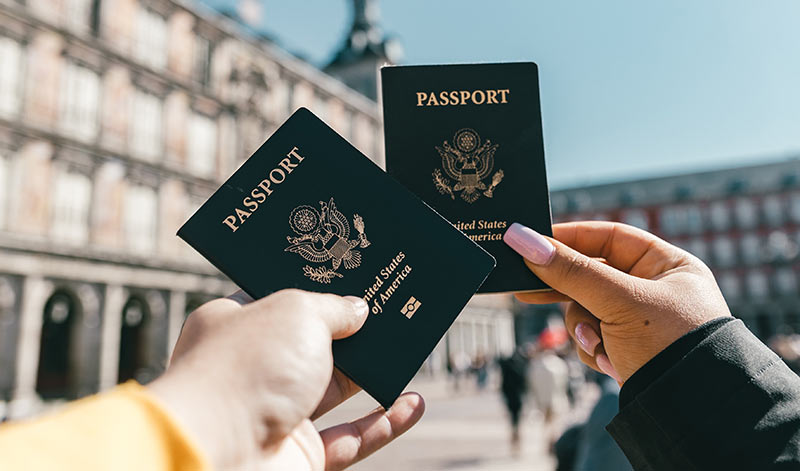
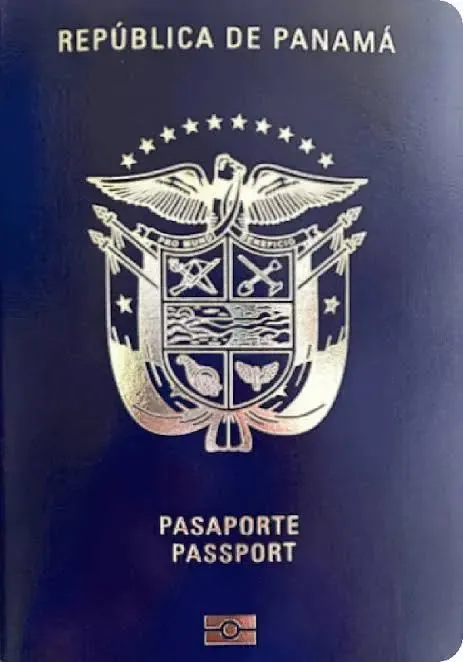
One of the most concrete benefits of a second passport from Panama or Costa Rica is improved global mobility. A Panamanian passport offers visa-free or visa-on-arrival access to over 140 countries. A Costa Rican passport is similarly strong. For a business owner who needs to travel to Asia or Europe on short notice, this is a game changer. It reduces reliance on lengthy visa applications and embassy appointments. In an era where travel restrictions can snap back overnight, having a second nationality is like holding a spare key to the world.
This mobility is not just about tourism. It is about emergency relocation. Families who hold a second citizenship can move quickly if political unrest or a natural disaster strikes their home country. They are not trapped waiting for a humanitarian visa. They have a legal right to enter and stay in their second country. This kind of security is priceless for those who have lived through instability.
Cultural Integration and Identity Shifts
Becoming a citizen of another country is more than a legal transaction. It involves a real relationship with a new culture. Expats in Costa Rica often speak of the “Pura Vida” lifestyle, a slower pace that values community and nature. In Panama, the blend of Latin American warmth and North American efficiency creates a unique expat experience. Children who grow up in these environments often develop a global mindset, speaking multiple languages and understanding diverse perspectives.
Yet there are challenges. Some expats struggle with integration, sticking to gated communities and English-speaking bubbles. This can create friction with locals who feel that newcomers are not respecting their laws or traditions. Responsible citizenship means engaging with the community, learning the language, and contributing to the local economy. A passport is a document, but belonging is a practice.

The Future of Second Citizenship in Central America
Looking beyond 2026, the demand for second citizenship in Panama and Costa Rica shows no signs of slowing. More people are treating nationality as a portfolio, something to diversify rather than take for granted. Governments in the region are likely to refine their programs, balancing the need for foreign investment with the need for security and social cohesion.
For the individual, the decision to pursue a second passport is deeply personal. It is about freedom, security, and opportunity. It is about having a plan B in a world that often feels like it needs one. Panama and Costa Rica offer two different paths to that goal, but both lead to the same destination: a life with more choices.