


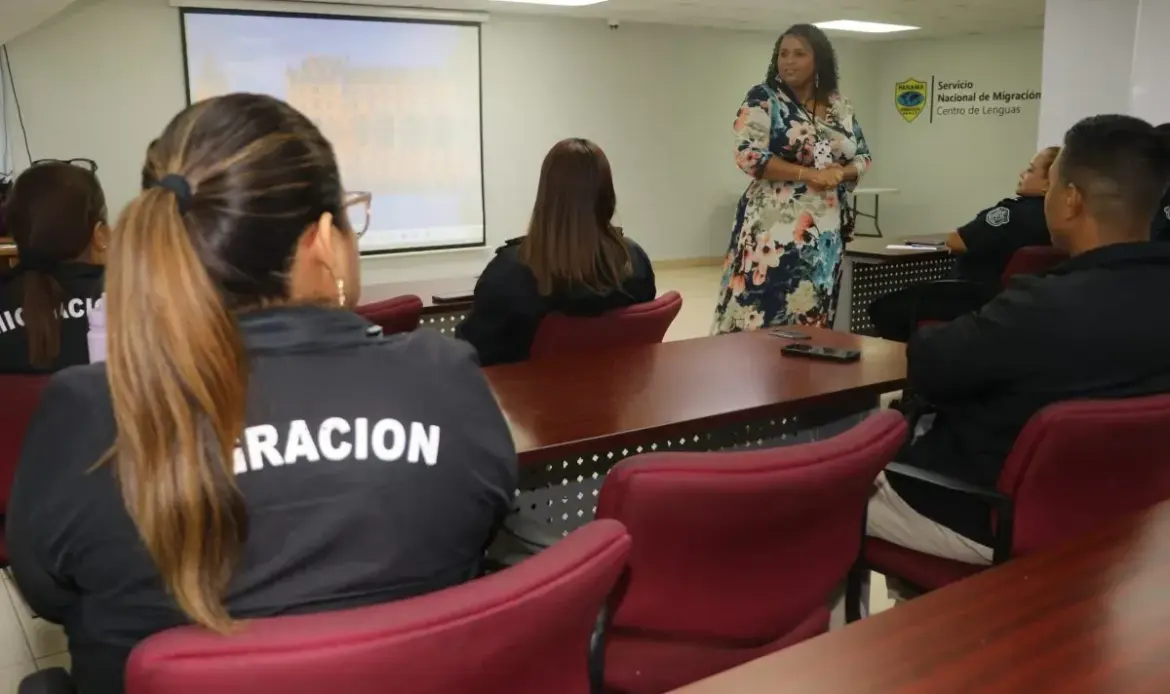
The National Migration Service of Panama held an internal film forum this month to promote discussions on disability and inclusion among its staff. The event, organized in collaboration with the Ministry of Security’s Office of Gender Equity and Equal Opportunity (OEGEO), used cinematic storytelling to foster empathy and awareness within the government agency.
Employees gathered to watch and debate films that centered on the experiences of people with disabilities. Organizers designed the session to move beyond standard policy briefings, creating a participatory environment for reflection on societal barriers and institutional responsibilities. The forum represents a tangible effort to embed social consciousness into the daily operations of the National Migration Service (Panama).
“This space allowed for an open and constructive dialogue about inclusion, raising awareness about the importance of understanding the realities lived by different groups in society,” the migration service stated in an official release. [Translated from Spanish]
The immediate goal was to encourage staff to actively consider perspectives often marginalized in public discourse. Participants engaged in guided conversations following the screenings, a process officials believe will directly influence public interactions. A more informed and empathetic workforce, they contend, leads to more equitable service for all individuals engaging with the migration service.
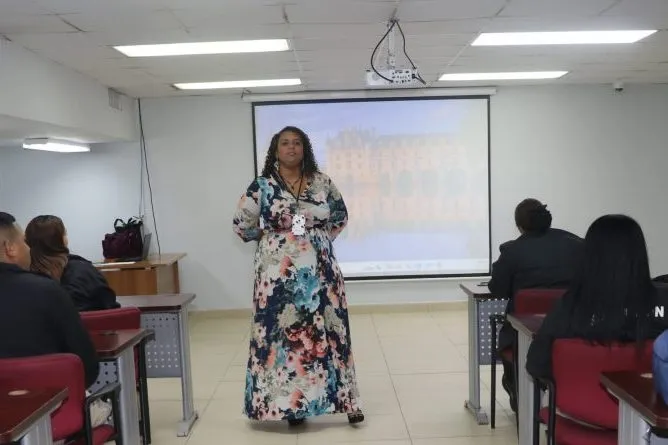
Integrating Awareness into Institutional Culture
This film forum is not a standalone activity. It fits into a wider strategic push by the Panamanian migration authority to prioritize social awareness as a core professional competency. The agency is actively working to cultivate more inclusive environments for both its personnel and the public it serves.
Focusing specifically on disability inclusion, the event tackled a fundamental component of social equity. Cinema served as a powerful medium to translate abstract principles into relatable human stories, making the learning experience more resonant for attendees from various departments.
Advancing gender equity and equal opportunity remains a central pillar for the OEGEO office. Interactive forums like this one are viewed as practical instruments to transform written policies into lived experience and behavioral change among staff members.
Leadership within the service sees this internal education as absolutely foundational. They argue that a team continually exposed to diverse human experiences is better prepared to manage the complex, often sensitive situations inherent in migration management. This initiative aligns with the broader objective of this government agency to refine its protocols and public engagement strategies continually.
Future activities promoting social consciousness are already in the planning stages. The institution’s long-term vision is a service model defined by operational efficiency and a deep-seated culture of empathy and respect. The ultimate aim is genuine equality of opportunity in every interaction, shaping increasingly inclusive environments for Panama’s diverse population.